


- Products
- News & Events
- Successful Cases
- Client Visit


As we approach the end of summer, although the peak heat is waning, this period remains a high-risk season for construction machinery fires. During these days, excavators exposed to sunlight can easily reach surface temperatures of forty to fifty degrees Celsius. If the machine itself has pre-existing overheating issues, the fire risk escalates significantly. To prevent accidental losses, it is essential to understand the causes of excavator fires and the appropriate emergency response procedures.
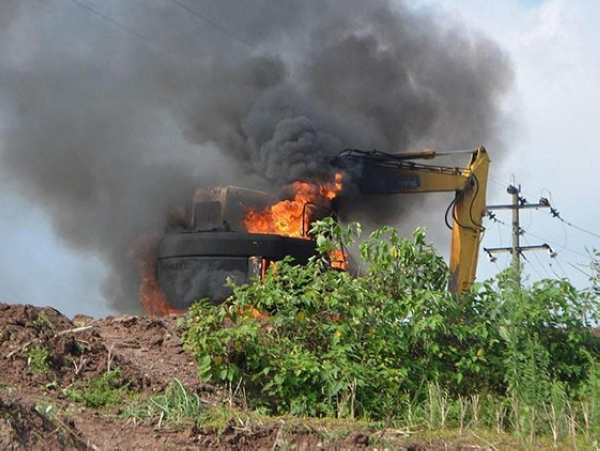
Which excavators are most prone to fire?
1. Aged, poorly maintained machinery: Some excavators over a decade old suffer from neglect, with ageing electrical wiring and loose components. Having changed hands multiple times, they may harbour undisclosed faults, making their condition difficult to assess. Moreover, older machines are often poorly maintained, with thick layers of oil residue on the bodywork. Should a spark land on this, ignition is highly likely.
2. Hydraulic lines with latent hazards: In some neglected excavators, hydraulic lines suffer from wear and ageing, while hydraulic fluid often operates at elevated temperatures. Sudden pressure surges under these conditions can cause lines to burst. If hot hydraulic fluid sprays onto the exhaust pipe, ignition is highly probable.
3. Modified electrical systems: Some assembled excavators feature unauthorised electrical alterations, with aged wiring and haphazard cabling. If a spark causes a short circuit, the resulting sparks can ignite plastic components or fuel lines – a very common cause of fires.
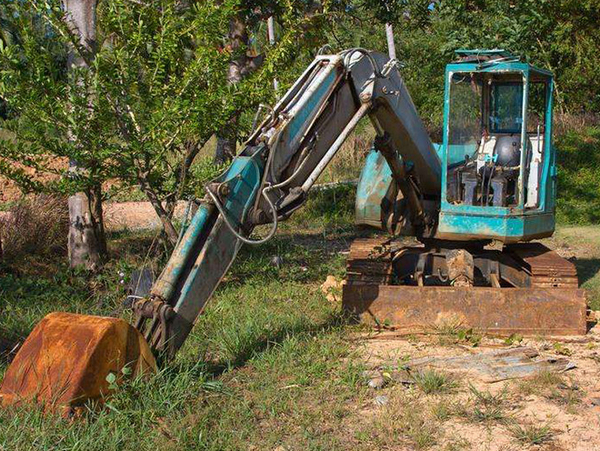
Precautions for routine excavator operation and maintenance:
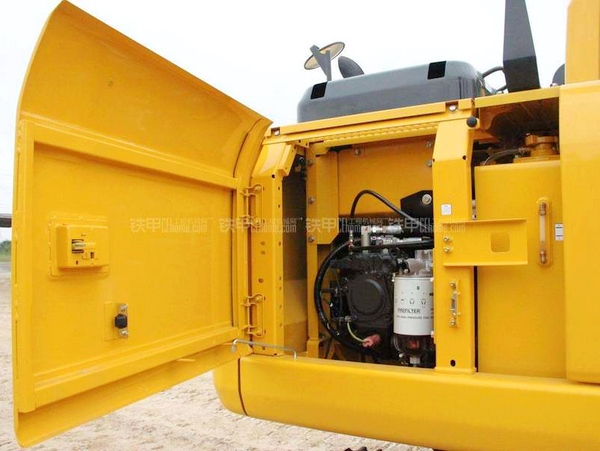
1. Maintain a clean chassis free of oil leaks and grime
Frequently clean and rinse the engine compartment and hydraulic pump area to eliminate leaks and maintain a consistently clean, dry environment.
2. Cultivate sound operating practices
Organise items on the excavator properly; avoid leaving rags or tools lying about. Smoking operators must dispose of cigarette butts and ash in designated receptacles. Regularly inspect batteries and all fluid levels to eliminate potential hazards at their source.
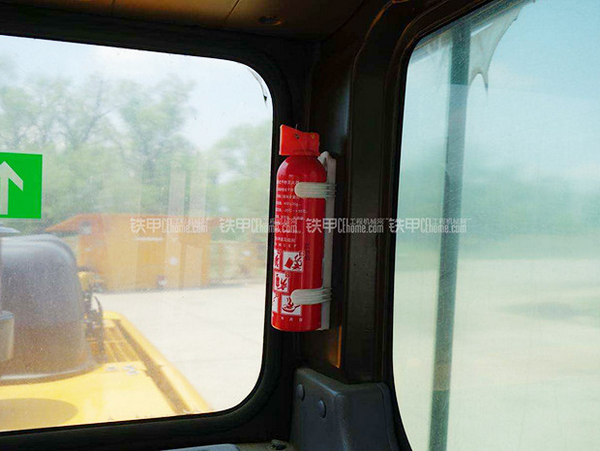
3. Maintain a certified fire extinguisher
Excavator fires often originate from electrical or fuel system ignition, which cannot be extinguished with water. It is advisable to keep a dedicated dust fire extinguisher on hand. When selecting an extinguisher, opt for a slightly larger capacity, ideally 6-10 litres. Regularly check unused extinguishers for expiry dates and ensure the pressure gauge reads within the standard range. A fire extinguisher costs only a few dozen pounds, yet in a critical moment, it can save an excavator worth hundreds of thousands.






+86-512-6929-1158
+86-512-6929-1158
+86-157-5556-5618
+86-135-6463-2264
Suite 705, Building 2, Tiandu Mansion, No. 211 Changjiang Road, High-tech Zone, Suzhou, Jiangsu Province, China


 Lifting Machinery
 Earthmoving Machinery
 Road Construction Machinery
 Concrete Machinery
 Truck & Special Vehicle
 Drilling Machinery
 Logistics Machinery
 Mining Machinery
 Agricultural Machinery
 Spare Parts
 Generator Set & Engine